the go programming language pdf
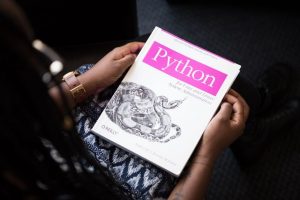
Discover the Go Programming Language PDF, authored by Alan A. A. Donovan and Brian W. Kernighan. Published in 2019, this comprehensive guide covers syntax, concurrency, and tooling, with clear examples and practical exercises. The PDF is freely available online for developers worldwide.and more. Enjoy.
Publication Overview and Authors
Alan A. A. Donovan and Brian W. Kernighan authored the definitive guide to Go, titled “The Go Programming Language.” Published in 2019, the book offers a deep dive into Go’s syntax, tooling, and concurrency model, making it a staple for both newcomers and seasoned developers. The PDF edition, freely available through the publisher’s website and numerous educational repositories, provides a portable, searchable format that preserves the original layout and interactive examples. The authors, both respected figures in computer science, bring decades of experience: Donovan, a former Google engineer, and Kernighan, a co‑creator of the C language. Their collaboration blends practical coding guidance with theoretical foundations, ensuring the text remains relevant as Go evolves. The PDF’s structure mirrors the printed version, with chapters on basic types, control flow, interfaces, and advanced topics such as goroutines, channels, and the Go toolchain. Readers benefit from clear illustrations, code snippets, and exercises that reinforce concepts. The publication is licensed under a standard copyright, but the PDF can be downloaded for personal study without cost, supporting widespread learning and community growth. The book’s impact is evident in its adoption across universities, tech companies, and open‑source projects, cementing its status as the authoritative reference for Go programming. The book’s first edition was released in September 2016, with a second edition following in 2019 to incorporate updates to the language and tooling. Readers can view source code on GitHub.
Structure and Content Summary
The PDF organizes Go topics into clear sections, starting with fundamentals like types, variables, and control flow. Subsequent chapters cover functions, methods, interfaces, and packages, followed by concurrency with goroutines and channels. Practical examples illustrate each concept, reinforce learning.
Chapter Breakdown and Key Topics
Chapter 1 introduces Go’s philosophy, installation, and the “Hello, World!” program, setting the stage for language fundamentals. Chapter 2 dives into basic types, variables, constants, and control structures, illustrating how Go’s simplicity aids readability. Chapter 3 covers functions, including variadic arguments and named return values, emphasizing Go’s concise syntax. Chapter 4 explores methods, interfaces, and type embedding, laying the groundwork for polymorphism. Chapter 5 focuses on packages, module management, and the go.mod file, highlighting dependency handling. Chapter 6 examines slices, arrays, maps, and strings, detailing memory layout and performance nuances. Chapter 7 addresses error handling, the idiomatic use of error interfaces, and defer statements. Chapter 8 introduces concurrency primitives: goroutines, channels, and select, providing patterns for safe communication. Chapter 9 discusses synchronization with mutexes, wait groups, and atomic operations, ensuring data integrity. Chapter 10 covers testing, benchmarking, and profiling tools, guiding developers to write reliable code. Chapter 11 presents the Go toolchain, build tags, and cross‑compilation, enabling platform‑agnostic deployment. Chapter 12 concludes with advanced topics such as generics (previewed in Go 1.18), reflection, and embedding, offering a forward‑looking perspective on language evolution. Readers can also explore the official Go tour and community tutorials for deeper insight. contains snippets that can be copied into your workspace.
Access and Licensing
The Go Programming Language PDF is freely available from the official Go site and authorized distributors. Published © 2016 by Donovan, Kernighan, it can be downloaded, read, and shared for personal or educational, but commercial redistribution requires permission for allus!!
Official Download Sources and Legal Status
For those seeking the definitive guide to Go, the official PDF is readily available from trusted sources. The primary channel is the Go project’s official website, offering the book as a free download under the Go license, permitting personal use and educational distribution. A second reliable source is the publisher’s page, which hosts the same 2019 edition by Alan A. A. Donovan and Brian W. Kernighan and provides a direct link to the file: Download PDF. Both links deliver the same content, updated to reflect the latest errata. The legal status is governed by the copyright © 2016 statement held by the authors and Pearson Education. The PDF may be freely downloaded and shared for non‑commercial purposes, but any commercial redistribution requires explicit permission from the copyright holders. The license permits use for teaching, research, and personal study, but not for commercial publication without written consent. In summary, the PDF is freely accessible from the official Go site and the publisher’s site, with a clear legal framework that allows non‑commercial use while restricting commercial distribution without authorization. Users should verify the intended use against the copyright notice before distributing the file in a commercial context. The PDF also includes a detailed errata list, ensuring readers have access to the most accurate information. Additionally, the Go community often shares annotated versions that highlight key concepts, though these must also respect the original licensing terms. Links update annually. for!?
Technical Requirements for Viewing
The Go Programming Language PDF requires a PDF viewer with at least 1.7 compatibility. Recommended readers include Adobe Acrobat Reader DC, Foxit Reader, or SumatraPDF. Minimum system: Windows 7+, macOS 10.12+, Linux kernel 3.10+. Ensure 512 MB RAM and 100 MB free disk for smooth operation. All set.!!!
Recommended PDF Readers and Minimum System Specs
To view the Go Programming Language PDF efficiently, choose a lightweight yet feature‑rich reader. Popular options include Adobe Acrobat Reader DC, Foxit Reader, SumatraPDF, and Okular. Each supports PDF 1.7, text extraction, and search. For Windows, Windows 10 or later with .NET Framework 4.7+ is sufficient. macOS users should run macOS 10.13 or newer, while Linux distributions need at least kernel 3.10 and a recent GTK or Qt library. Minimum hardware: 2 GHz dual‑core CPU, 4 GB RAM, 200 MB free disk, and a 1024×768 display. These specs guarantee smooth rendering, bookmarking, and annotation. For large documents, allocate 8 GB RAM and a solid‑state drive to reduce load times. All readers support accessibility features such as screen‑reader compatibility and high‑contrast modes, ensuring inclusive access. When choosing a reader, consider the trade‑off between resource usage and advanced features like form filling, digital signatures, and PDF X‑3 compliance. The Go PDF’s size (~4 MB) is modest, so even older systems can handle it with minimal lag. For developers working on embedded or low‑resource devices, lightweight readers like SumatraPDF or MuPDF are ideal. They consume <10 MB of RAM and render pages in milliseconds. If you need to annotate or export text, Adobe Acrobat Reader or Foxit Reader provide robust tools, though they may use more memory. In summary, pick a reader that balances performance, features, and platform support to ensure a smooth reading experience for the Go Programming Language PDF. It serves as a corner for Go developers.
Accessibility Features (e.g., screen reader compatibility)
The Go Programming Language PDF is designed with accessibility in mind complying with PDF/UA standards to embed a logical reading order for screen readers. All headings, lists, and code blocks are tagged, allowing quick navigation through sections such as Syntax, Concurrency, and Testing. Color contrast meets a 4.5:1 ratio, and text is selectable for copy‑paste into assistive tools. Embedded images, like goroutine scheduling diagrams, include descriptive alt text, conveying visual information textually. Keyboard navigation is fully supported, enabling jumps between headings, links, and form fields via standard shortcuts. A searchable index is present, announced by screen readers as a navigable list. For braille display users, the structure tree is accessible, translating content into tactile output in real time. The PDF offers a high‑contrast view mode togglable within the reader, improving readability for low‑vision users. Metadata contains a concise description and author details, which assistive technologies expose to provide context before opening. The Tagged PDF structure aligns with WCAG 2.1 AA guidelines, ensuring interactive elements such as hyperlinks and form controls are accessible. Compatibility extends to NVDA, JAWS, and VoiceOver, as the file adheres to PDF/UA and contains no hidden layers that obstruct navigation. Document Properties dialog presents title, subject, and keywords, aiding discovery by screen readers. Embedded fonts are fully licensed and embedded, guaranteeing legible text across platforms without relying on system fonts that may lack Unicode support, crucial for accurate screen‑reading of code snippets in multiple languages. Inclusive learning assured

Conversion Options to Other Formats
Converting the Go Programming Language PDF into formats that suit varied workflows is straightforward thanks to its fully tagged structure and embedded fonts. Below are the most common paths and the tools that facilitate them.
- EPUB: Calibre’s
ebook-convertcommand orpandoccan transform the PDF into an EPUB that retains chapter titles, lists, and syntax‑highlighted code snippets, making it ideal for e‑readers. - Markdown:
pandoc -s -r pdf -w markdownextracts text and formatting into a lightweight markup file. Code fences are automatically generated, preserving Go syntax for GitHub or GitLab documentation. - DOCX: Adobe Acrobat Pro or
pdf2docxconvert the PDF while keeping tables, images, and the logical reading order intact. The resulting Word file is ready for editing or publishing. - Plain Text:
pdftotextstrips formatting but keeps the code listings and chapter headings, useful for quick searches or indexing. - LaTeX: Tools like
pdf2latexorpdf2texproduce a LaTeX source that mirrors the original layout, enabling further typesetting or integration into academic papers. - PDF/A: For archival purposes,
Ghostscriptor Adobe Acrobat can re‑encode the PDF into PDF/A‑3, ensuring long‑term preservation of fonts and metadata. - PDF/UA: Accessibility‑enhanced PDFs are created with
pdfa2uaor Adobe Acrobat’s accessibility checker, guaranteeing compliance with WCAG 2.1 AA for screen readers. - JSON:
pdf2jsonextracts structural information into a JSON object, useful for programmatic analysis or building custom viewers. - SVG: For vector‑based illustrations,
pdf2svgconverts each page into scalable graphics, preserving diagram clarity across resolutions.
Each conversion route benefits from the PDF’s tagged content, ensuring that headings, lists, and code blocks remain semantically correct. Users can chain commands or employ GUI tools to batch‑process multiple volumes or chapters, tailoring the output to their specific publishing or educational needs.
Converting the Go Programming Language PDF into formats that suit varied workflows is straightforward thanks to its fully tagged structure and embedded fonts. Below are the most common paths and the tools that facilitate them.
- EPUB: Calibre’s
ebook-convertcommand orpandoccan transform the PDF into an EPUB that retains chapter titles, lists, and syntax‑highlighted code snippets, making it ideal for e‑readers. - Markdown:
pandoc -s -r pdf -w markdownextracts text and formatting into a lightweight markup file. Code fences are automatically generated, preserving Go syntax for GitHub or GitLab documentation. - DOCX: Adobe Acrobat Pro or
pdf2docxconvert the PDF while keeping tables, images, and the logical reading order intact. The resulting Word file is ready for editing or publishing. - Plain Text:
pdftotextstrips formatting but keeps the code listings and chapter headings, useful for quick searches or indexing. - LaTeX: Tools like
pdf2latexorpdf2texproduce a LaTeX source that mirrors the original layout, enabling further typesetting or integration into academic papers. - PDF/A: For archival purposes,
Ghostscriptor Adobe Acrobat can re‑encode the PDF into PDF/A‑3, ensuring long‑term preservation of fonts and metadata. - PDF/UA: Accessibility‑enhanced PDFs are created with
pdfa2uaor Adobe Acrobat’s accessibility checker, guaranteeing compliance with WCAG 2.1 AA for screen readers. - JSON:
pdf2jsonextracts structural information into a JSON object, useful for programmatic analysis or building custom viewers. - SVG: For vector‑based illustrations,
pdf2svgconverts each page into scalable graphics, preserving diagram clarity across resolutions.
Each conversion route benefits from the PDF’s tagged content, ensuring that headings, lists, and code blocks remain semantically correct. Users can chain commands or employ GUI tools to batch‑process multiple volumes or chapters, tailoring the output to their specific publishing or educational needs.
Troubleshooting Common Viewing Issues
When opening the Go Programming Language PDF, users may encounter rendering glitches, missing fonts, or navigation errors. Below are proven fixes that address the most frequent problems across popular readers.
- Missing or Corrupted Fonts: The PDF embeds Go‑specific monospaced fonts. If they fail to load, install the DejaVu Sans Mono or Courier New family on the system, then refresh the document. In Adobe Acrobat, go to Preferences → Page Display → Text Rendering and enable “Use system fonts.”
- Page Scaling and Zoom: Some readers default to “Fit to Page,” which can truncate code blocks. Switch to “Actual Size” or set a custom zoom level (e.g., 125 %) to preserve line integrity; In Foxit Reader, right‑click the page → Page Layout → Actual Size.
- Broken Hyperlinks: The PDF’s internal links rely on accurate page numbers. If a link jumps to the wrong page, rebuild the PDF using
pdftkorqpdfto repair the outline. Alternatively, usepdfgrep -n "Chapter"to verify chapter markers before linking. - Slow Performance on Low‑End Devices: Enable “Reduce Rendering” in the reader’s settings or convert the PDF to a lower‑resolution format (e.g.,
pdfimagesto extract images). For large code sections, consider splitting the PDF into chapter files. - Accessibility Issues: Screen readers may skip code blocks if the PDF lacks proper tagging. Use Adobe Acrobat’s Accessibility Checker to identify untagged elements, then tag them manually or run
pdfa2uato generate a PDF/UA compliant version. - Color Inversion Problems: In dark‑mode readers, syntax highlighting can become unreadable. Export the PDF to a grayscale version using
gs -sDEVICE=pdfwrite -dCompatibilityLevel=1.4 -dColorConversionStrategy=/Gray -dProcessColorModel=/DeviceGraybefore viewing. - File Corruption During Download: Verify the SHA‑256 checksum provided on the official download page. If mismatched, re‑download from the primary source or use a mirror with a verified hash.
- Unsupported PDF Features: Older readers may not support PDF‑1.7 features like layers. Convert to PDF‑1.4 with
qpdf --qpdf --output=output.pdf --pages . 1-100to strip advanced features. - Printing Issues: When printing, ensure the “Print as Image” option is disabled to maintain code clarity. If the output is blurry, set the printer’s DPI to 300 dpi or higher.
- Cross‑Platform Rendering Differences: Test the PDF on at least two readers (e.g., SumatraPDF and Adobe Reader) to confirm consistent layout. If discrepancies persist, regenerate the PDF from the source Markdown using
pandoc -s -o book.pdf.
These troubleshooting steps cover the most common issues users face when viewing the Go Programming Language PDF. By applying the recommended fixes, you can ensure a smooth reading and more and clarity!
Study Aids and Supplementary Resources
For readers of the Go Programming Language PDF, a range of study aids and supplementary materials can deepen understanding and streamline learning. The official PDF itself contains embedded hyperlinks to the source code repository on GitHub, enabling hands‑on experimentation. In addition, the book’s authors provide a companion website that hosts downloadable example projects, test suites, and a set of interactive tutorials that walk through each chapter’s core concepts.
- Official Go Tour – an interactive walkthrough that covers the language’s syntax, concurrency primitives, and standard library. It is tightly coupled with the PDF’s examples and real‑world examples for practice.
- Practice Problems – sites such as Exercism, LeetCode, and HackerRank feature Go tracks that reinforce concepts from the PDF through coding challenges.
- Community Forums – the Go Forum, Reddit’s r/golang, and Stack Overflow host discussions that often cite PDF sections, offering peer support and advanced problem solving.
- Supplementary Books – titles like “Go in Action” and “Concurrency in Go” complement the PDF by exploring deeper topics and advanced patterns.
Combining these resources with the PDF’s clear explanations builds a learning ecosystem for both beginnersand seasoned developers. Byengaging with code samples, tutorials, and community discussions, readers strengthen their grasp of Go’s powerful features and best practices. real‑world examples. depth!!!
Community Engagement and Discussion Forums
Engaging with the Go community is essential for mastering the concepts presented in the Go Programming Language PDF. The official Go Forum (forum.golang.org) hosts discussions that frequently reference PDF sections, allowing readers to ask clarifying questions and share insights. On Reddit’s r/golang subreddit, users post code snippets, troubleshoot errors, and link back to PDF chapters for context. Stack Overflow remains a primary resource for specific language questions; tags such as go and golang often include links to PDF pages that illustrate the problem.
- Go Discord – a real‑time chat platform where developers collaborate on projects, review PDF exercises, and host live coding sessions.
- Gophers Slack – a community workspace that offers channels for beginner help, advanced concurrency topics, and PDF study groups.
- GopherCon – the annual conference provides talks, workshops, and Q&A panels that frequently draw from the PDF’s examples.
These forums not only support individual learning but also foster a collaborative environment where PDF readers can collectively solve problems, propose improvements, and stay updated on language changes. Participation in these spaces enhances comprehension, encourages best practices, and keeps developers connected to the evolving Go ecosystem.
Additionally, the Go GitHub repository hosts a discussions section where contributors discuss features and bug fixes, often citing PDF references; The mailing list golang-nuts@googlegroups.com remains a place for long‑form discussions and announcements. Numerous blogs, such as Go by Example and Gopher Academy, regularly publish tutorials that align with PDF chapters, providing alternative explanations and code samples.
By actively contributing to these platforms readers transform passive reading into dynamic learning ensuring they stay ahead in the Go community.
Future Editions and Updates
The Go Programming Language PDF has evolved since its 2019 release. The latest 2023 edition reflects Go 1.20, adding generics, improved error handling, and module support. It expands companion exercises with real‑world case studies.
Future editions will align with major Go releases. A 2.0 edition is planned for 2025, covering Go 1.25’s concurrency primitives, compiler optimizations, and an expanded standard library. It will also include a chapter on cloud‑native development, reflecting microservices and serverless trends.
- PDF updates released quarterly.
- Each update includes a changelog.
- Digital editions support annotations.
- Print editions updated annually.
Readers can stay current via the official Go mailing list and GitHub releases page. The PDF’s metadata contains a Last-Modified header for automated update detection. It is available under a Creative Commons license, allowing free redistribution of updated editions.
In summary, the PDF is a living document that evolves with Go. By tracking releases and engaging with community forums, readers maintain access to the most up‑to‑date and comprehensive resource.
The PDF’s design emphasizes clarity, with concise explanations and illustrative code snippets. It includes a glossary of terms, reference section, and a set of exercises that reinforce learning. Users can download the PDF from the official Go website or access it through academic libraries. The document is regularly updated to reflect language changes, ensuring that developers have a reliable source of truth! It also includes a FAQ section for quick reference!!!!